
Love Never Leaves
Pet Loss Therapy
If you have ever lost a pet or are going through this experience, you know how deeply it can affect you, often in ways that are not fully recognized socially.
From years of clinical work and research on the human–animal bond, it is not surprising to me how deeply the loss of a pet can affect someone.
Pet loss therapy can support you through one of the most painful and often unrecognized forms of grief. The loss of a beloved companion animal is a deeply meaningful experience and can be as painful as losing a family member. These relationships often become part of daily routines, identity, and the sense of home, and their absence can leave a space that is difficult to name.
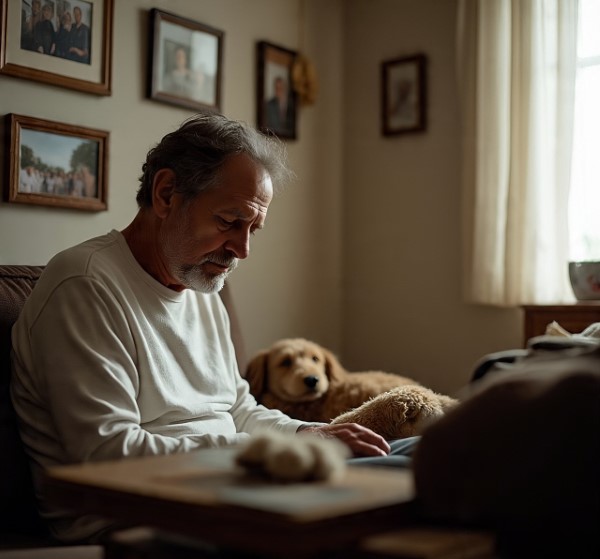
Pet loss is not limited to death. It can also include experiences that change or disrupt the bond, including:
- Anticipatory grief after a serious diagnosis
- Making end-of-life decisions
- Sudden or traumatic loss
- Rehoming a pet
- Losing a pet after separation or divorce
- A missing pet
- Major health or behavioural changes that alter the bond
- Significant life transitions affecting your relationship with your pet
These experiences can bring intense emotions such as sadness, guilt, anger, emptiness, anxiety, or a profound sense of silence in everyday life.
When to seek support
- Your grief feels overwhelming or longer than you expected
- Others minimize or don’t understand your pain
- You are struggling with guilt or difficult decisions
- Your daily routine feels disrupted
- The bond you had with your pet was central to your emotional life
- You feel alone in your grieving process
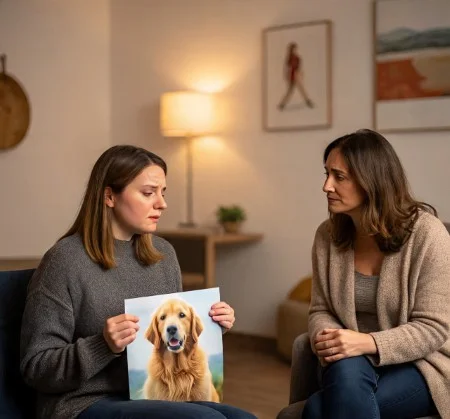

My approach
- honours the depth of the human-animal bond
- helps process grief at your own pace
- supports you through complex emotions such as guilt and ambivalence
- integrates the story of your pet into your life in a meaningful way
- helps you gently rebuild daily life while staying connected to this bond
Bringing Together Research and Clinical Experience
Through my research and clinical work, I have come to understand a few key things about emotional bonds and grief
- Emotional bonds are more central to people’s lives than we often acknowledge.
- These relationships shape daily life, offering structure, meaning, and connection.
- Grief reflects the depth of that bond, it is not only about loss, but about what that relationship meant.
- The bond does not simply disappear, it continues in different ways and often needs to be understood, not erased.
- What we grieve reflects what mattered. And what mattered rarely disappears.

Selected Writing and Interviews
Drawing on my clinical experience and research, I have also shared these perspectives through articles and interviews on the human–animal bond and pet loss.
If it feels helpful, you can explore some of my writing and interviews on pet loss and the human–animal bond. These pieces expand on some of the ideas mentioned here and may offer additional perspectives and support.
- Reflections on how the loss of a companion animal can bring forward important attachment dynamics, highlighting its clinical relevance.
- A piece on why pet loss is often overlooked and why it deserves greater recognition within mental health conversations.
- An interview discussing the impact of pets on mental health.
Additional pieces can be found in the Media and Media Articles sections.